
Unleashing the Black Imagination: The Intersection of Power and Creative Liberation
- Lucas patterson
- Nov 30, 2025
- 3 min read

Updated: Nov 30, 2025
The Black imagination has long served as a powerful force for transformation and liberation. Rooted in resilience and rich cultural heritage, it channels creativity into a form of resistance and empowerment. This post explores how Black creativity transcends artistic expression to become a vital tool for reclaiming power and shaping new futures.

The Power Embedded in Black Creativity
Creativity within Black communities is not just about art or entertainment. It is a form of power that challenges dominant narratives and redefines identity. Historically, Black artists, writers, and thinkers have used imagination to confront oppression and envision alternative realities.
Reclaiming narratives: Through storytelling, music, and visual arts, Black creators rewrite histories that mainstream culture often distorts or erases.
Building community: Creative works foster connection and solidarity, strengthening social bonds and collective identity.
Inspiring activism: Art becomes a catalyst for social change, motivating movements that demand justice and equality.
For example, the Harlem Renaissance in the 1920s was a pivotal moment when Black creativity flourished as a political and cultural force. Writers like Langston Hughes and Zora Neale Hurston used their craft to assert Black dignity and challenge racial stereotypes.
How Imagination Becomes a Path to Liberation
Imagination allows Black individuals and communities to envision freedom beyond current limitations. It opens space for dreaming new possibilities and creating alternative worlds where justice and equity prevail.
Speculative fiction and Afrofuturism: These genres use imagination to explore futures where Black people thrive, free from systemic barriers. Authors like Octavia Butler and N.K. Jemisin imagine worlds that question existing power structures.
Cultural innovation: Music genres such as jazz, hip-hop, and reggae emerged from Black creativity, blending tradition with innovation to express complex social realities.
Visual storytelling: Contemporary artists use visual media to confront issues like police violence, identity, and migration, turning imagination into a tool for awareness and healing.
Imagination in this context is not escapism but a deliberate act of resistance and hope. It empowers individuals to reclaim agency and rewrite their stories.
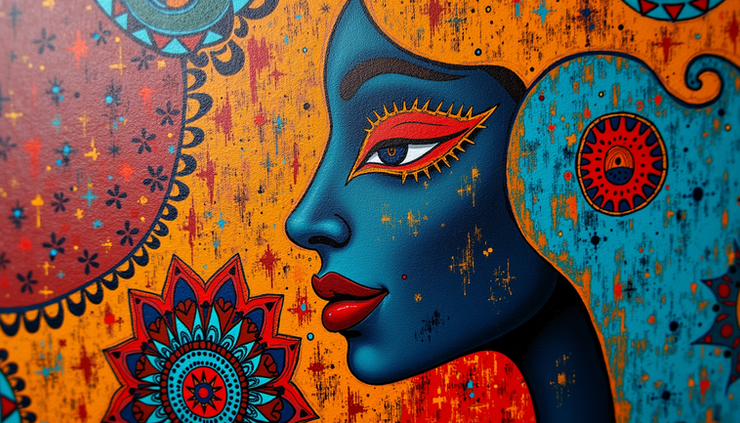
The Role of Presence in Creative Liberation
Presence refers to the visibility and acknowledgment of Black creativity in cultural spaces. It is essential for creative liberation because it validates Black voices and experiences.
Representation matters: Seeing Black creators in literature, film, and art affirms identity and inspires new generations.
Creating spaces: Black-led galleries, publishing houses, and festivals provide platforms where creativity can flourish without compromise.
Challenging gatekeepers: By asserting presence, Black creators disrupt exclusionary systems that limit access to resources and audiences.
For instance, the rise of Black-owned publishing companies has expanded opportunities for diverse stories to reach readers. Similarly, festivals like Afropunk celebrate Black creativity across music, fashion, and art, fostering community and visibility.
Practical Ways to Support Black Creative Liberation
Supporting the intersection of power and creativity involves intentional actions that uplift Black imagination:
Engage with Black art and literature: Read books, attend exhibitions, and listen to music by Black creators to deepen understanding and appreciation.
Support Black-owned creative businesses: Purchase from Black artists, writers, and entrepreneurs to help sustain their work.
Advocate for inclusive cultural policies: Encourage institutions to diversify programming and funding to include Black voices.
Create platforms: If possible, develop spaces that amplify Black creativity and provide mentorship opportunities.
These steps contribute to a cultural ecosystem where Black imagination can thrive and continue to inspire liberation.
© 2025 The Lucas Tribune By K.L.P Entertainment
© 2025 Kennedy Lucas Publishings LLC
© 2025 Kennedy Lucas & Associates
© 2025 The Office Of Kennedy Lucas Patterson
© 2025 The Lucas Tech Company

Comments